
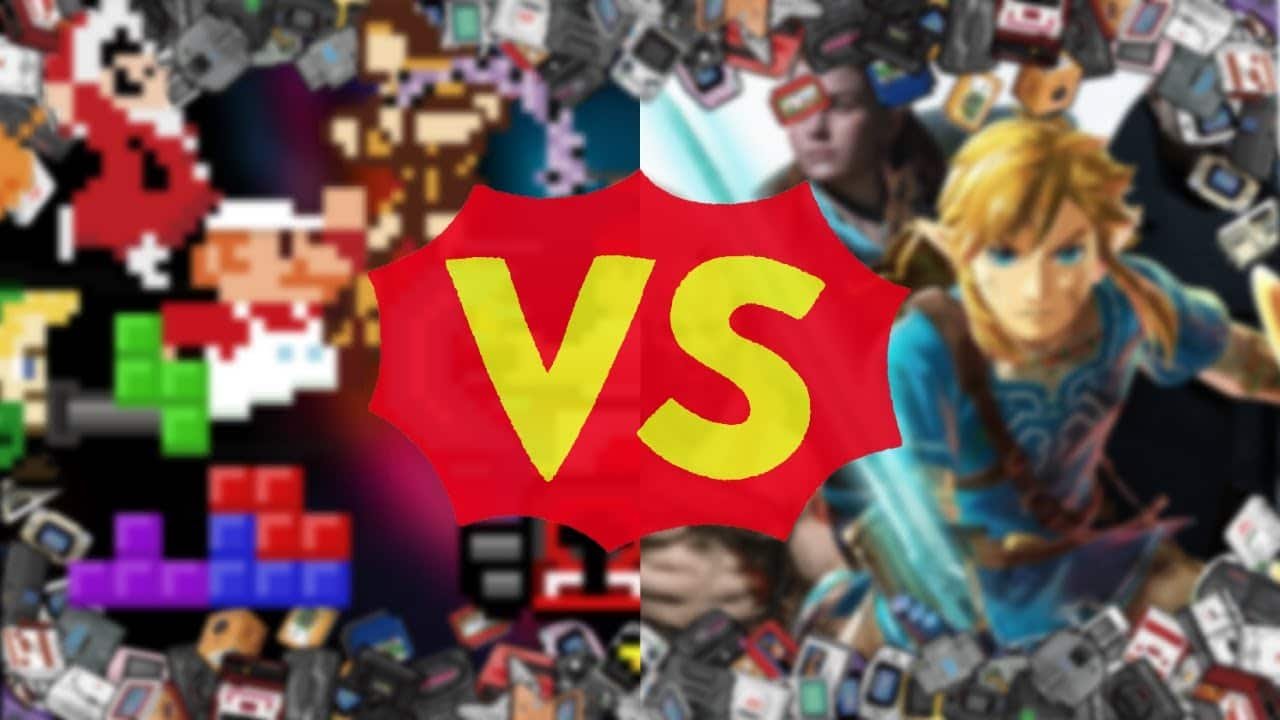
imagine yourself in a room, where there is an old-fashioned game console connected to a CRT TV set. Pick up a joystick and give two button presses, and before you can see the screen again you are lost in the pixel world. Go forward to our time. You take a gamepad, or a smartphone and immerse yourself in the world that is very realistic, full of flashy graphics, and populated by people of every corner of the earth. You can hardly think of a more appropriate definition of Retro Games vs Modern Games. As one generation passes giving way to another, the debate on Retro Games vs Modern Games merely gets more fiery.
The Golden Era of Retro Gaming
Retro Games vs Modern Games begins in the late 70s. This was the time when the arcade games ruled in the world of entertainment. Players preferred games that were easy to play but addictive in nature and wanted to score on them. Moreover, console games such as Atari 2600 enabled residents to have video games at home. Gaming was, therefore, a common day activity among many people.
Moreover, 16 bit consoles like Sega Genesis and SNES were developed in the 1980s and 1990s. They enhanced game graphics and gameplay. Well-known brands like Super Mario and Sonic were famous. Retro games thus created emotional attachment with gamers. These games continue to be played by a lot of people due to nostalgia.
Iconic Retro Games That Shaped the Industry
There have been numerous titles that have laid groundwork to gaming. To elaborate on this, Space Invaders was the story behind the introduction of scoring systems among players. They played competing with each other to score higher. Similarly, Tetris came up with game of puzzles and strategies, which could be played in a short period of time and were highly addictive.
Lastly, Super Mario Bros transformed the platform game with imaginative levels. It awarded players points when going through these levels. Sonic the Hedgehog on the other hand introduced phenomena of speed to the gaming world. They appeared to be the model of all the following titles that would rule the further development and preconditioned the modern games. That is why a great number of their features are retained in modern gaming games.
Transition from Retro to Modern Gaming
That was around the beginning of the 21st Century, when retro gaming started to be replaced by modern gaming. Technology developed in leaps and bounds during this time. Programmers started to experiment with the 3D graphics and complicated mechanics. Thus, games developed more than just arcade versions. They began providing immersive narratives and themselves as an exploration game.
Also, the emergence of the internet changed the face of gaming. Multiplayer experiences online were made possible. Gamers were able to interact all around the world and play in real-time. Hence, gaming was no longer an individual experience. This shift is one of the main aspects to be discussed in Retro Games vs Modern Games. It demonstrates how innovation increased the potentialities of gaming.
The Rise of Modern Games
The main features of modern games overpower the current industry. They are realistic, have detailed environment and cinema. Additionally, powerful engines are used to develop real-life experiences by developers. Games can now be voice acted, motion captured and have dynamic weather.
Moreover, modern games have been also developed by mobile gaming. Games such as Candy Crush whose titles were achieved by millions of users. Likewise, competitive battle royale was added to games with many players, such as PUBG. This has led to increased diversity and accessibility of gaming. This technological advancement usually features on the list of advantages of modern titles presented in the Retro Games vs Modern Games debate.
Key Differences Between Retro and Modern Games
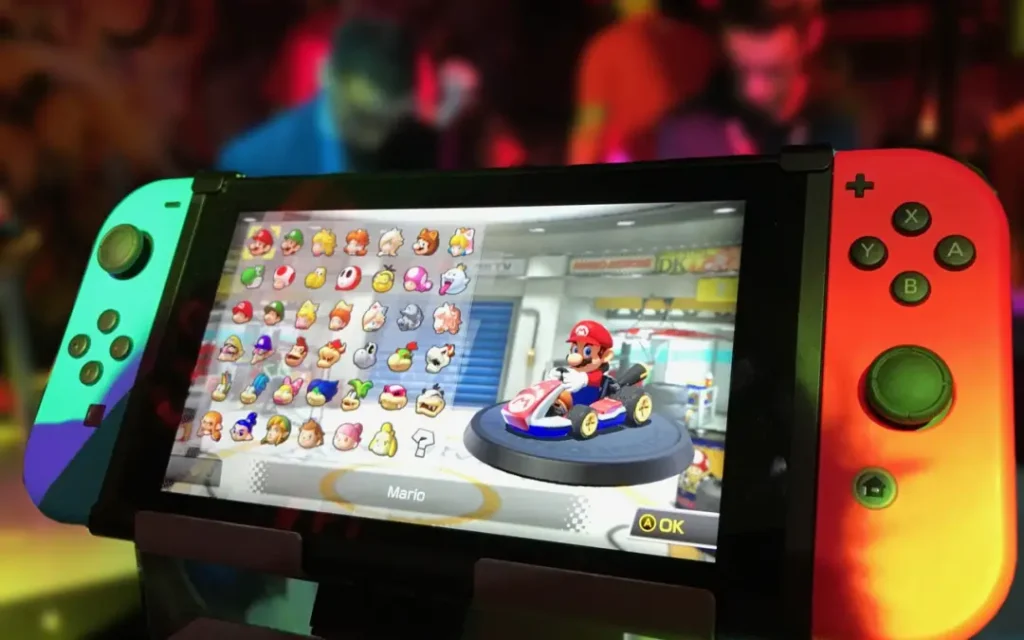
When making a comparison between Retro Games and Modern Games, there are a number of differences that are evident. The emphasis of retro games is on the simplicity of gameplay whereas modern games are on game realism and immersion. As well, retro titles are dependent on a simple hardware, and modern games hosted advanced technology.
Nevertheless, each has its merits. Retro games are simple but quick to have some fun. Modern games, on the other hand, offer rich narratives and vast worlds. Thus, the comparison is not on which one is superior but the preference of players. This is the balance of the question of Retro Games vs Modern Games, which is more interesting and subjective.
Comparison Table: Retro Games vs Modern Games
| Feature | Retro Games | Modern Games |
| Graphics | 8-bit and 16-bit visuals | Realistic 3D graphics |
| Gameplay | Simple and challenging | Complex and immersive |
| Accessibility | Easy to learn | Requires time and skill |
| Multiplayer | Limited or local | Online global connectivity |
| Cost | Low-cost or free | Expensive with add-ons |
| Technology | Basic hardware | Advanced engines and AI |
Pros and Cons of Retro Games
There are a number of merits associated with retro games. First, they are simple to comprehend and to play. Tutorials and long learning curves are not necessary to players. Also, they are nostalgic thereby generating some emotional value. A lot of gamers love to take their childhood recollections back.
Nonetheless, retro games do not have everything. The graphics and the quality of sound they employ is out of date. Additionally, they do not have the contemporary capability such as online multiplayer. Therefore they might be less engaging to some players nowadays. Regardless of these disadvantages, retro games still enjoy following among fans. Nostalgia is a key ingredient to the debate of Retro Games vs Modern Games.
Pros and Cons of Modern Games
The games that are played nowadays have improved features giving the games better experience. They offer a naturalistic visual and experience storytelling. As well, online connection enables players to communicate all over the world. This brings about a competitive atmosphere.
Con, and it can be costly with modern games. Most of them contain in-game purchases and extras. In addition, there are those games, which focus more on graphics as compared to gameplay. This may cause decreased satisfaction. Hence, though innovation can be found in modern games, they present new challenges. These trade-offs are brought out in comparison of Retro Games vs Modern Games.
The Emotional Connection: Nostalgia vs Innovation
Emotional connection is one of the key factors in Retro Games vs Modern Games. Retro games allow gamers to look back and enjoy the less complicated past. They give an impression of nostalgia which cannot be achieved easily in modern games. Modern games on the other hand are concerned with innovation and realism. They want to give new experiences and not memories.
Thus, the option is a matter of choice. There are those who apply nostalgia and there are those who like advanced features in their players. It is this emotional component that renders the debate noteworthy. It demonstrates that playing games is not merely a technological process but also an experience and emotion.
The Future of Gaming
In the future, the gaming industry is to keep changing. The future will be fashioned by such technologies as virtual reality and artificial intelligence. Games are bound to be even more involved and engaging in the modern times. Nevertheless, retro games will not happen overnight. Their simplicity and attractiveness will make them continue to be relevant.
Conclusion: Who Wins the Debate?
The debate of Retro Games vs Modern Games does not have a single winner. Both have unique strengths and weaknesses. Retro games offer simplicity, nostalgia, and timeless gameplay. Modern games provide innovation, realism, and global connectivity.
Ultimately, the choice depends on what players value more. Some prefer quick and straightforward experiences. Others enjoy deep and immersive worlds. Therefore, instead of choosing one over the other, players can enjoy both. This balanced perspective highlights the true beauty of gaming evolution.
FAQs
1. What are retro games?
Retro games are classic video games from the 1970s to early 2000s with simple graphics and gameplay.
2. What are modern games?
Modern games are advanced video games developed after 2000 with realistic graphics and complex mechanics.
3. Which is better: retro or modern games?
It depends on personal preference. Retro games offer nostalgia, while modern games provide advanced features.
4. Why are retro games still popular?
They remain popular due to their simplicity, nostalgia, and timeless gameplay experience.
Also Read About :- Innerlifthunt Game: Gameplay, Features, and Strategy